
Beans for Our Planet: A Sustainable Food System Starts With Beans
Beans are delicious, versatile, nutrient-dense powerhouses — but what if they’re also the key to a sustainable food system?
Experts think they just might be.
Every time we eat beans, we’re taking one of the simplest, most empowering actions toward building a future that supports the health of our planet and all beings.
The Challenges of Our Current Food System
As the list of environmental challenges we’re facing continues to grow, we find ourselves in need of a transition to a more sustainable food system that promotes the health of our planet and the health of our species. From widespread loss of biodiversity, to the deforestation of the Brazilian Amazon, to the overuse of natural resources, to the mass burning of fossil fuels, to roughly 30% of the world’s population lacking consistent access to food—it’s clear our current system is broken.
And as the global appetite for meat continues to rise, the environmental implications become more dire. Meat production is one of the primary contributors to global water usage and deforestation, with cattle ranching specifically being the leading contributor to the deforestation of the Brazilian Amazon.
Enter Beans
The question is not whether we need a new food system, but rather how we can build a new one and what it should look like.
As experts work to answer the question of how we can sustainably feed a growing global population of over 8 billion people, one solution is becoming increasingly clear: beans, when scaled, have the potential to fundamentally transform the current food system to deliver healthy, affordable, and sustainable nourishment.
Beans are a simple, affordable solution to lower greenhouse gas emissions, reduce land use, and actually improve water quality and soil health for future generations.
Beans Do More With Less Resources
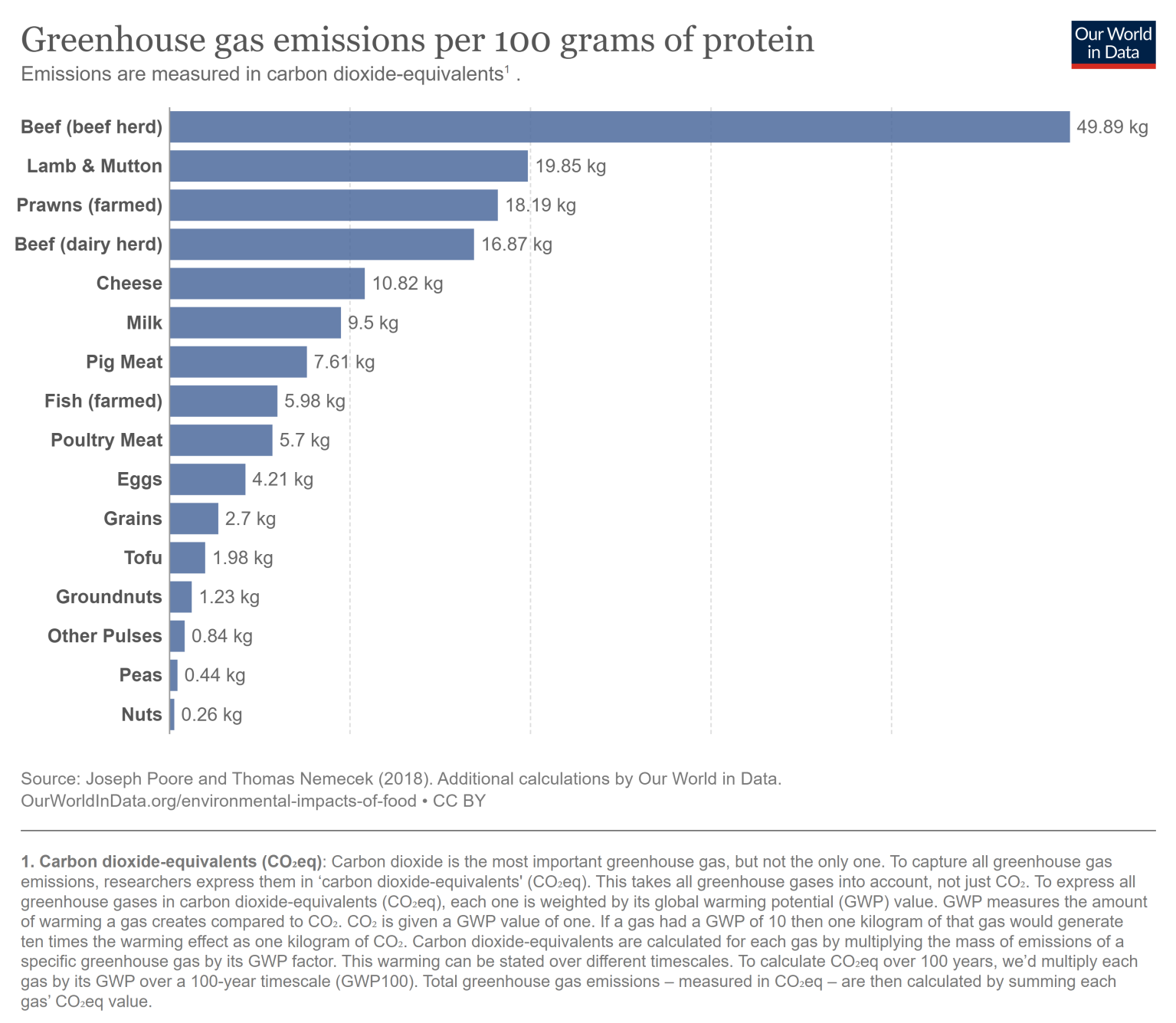
It’s no secret that animal protein requires significantly more natural resources to cultivate than plant-based alternatives. Compared with beans, beef requires roughly 20 times more land, 40 times more water, and produces about 50 times more greenhouse gas emissions per pound of protein. Here, you can see the striking difference in greenhouse gas emissions of meat versus beans (“other pulses”).
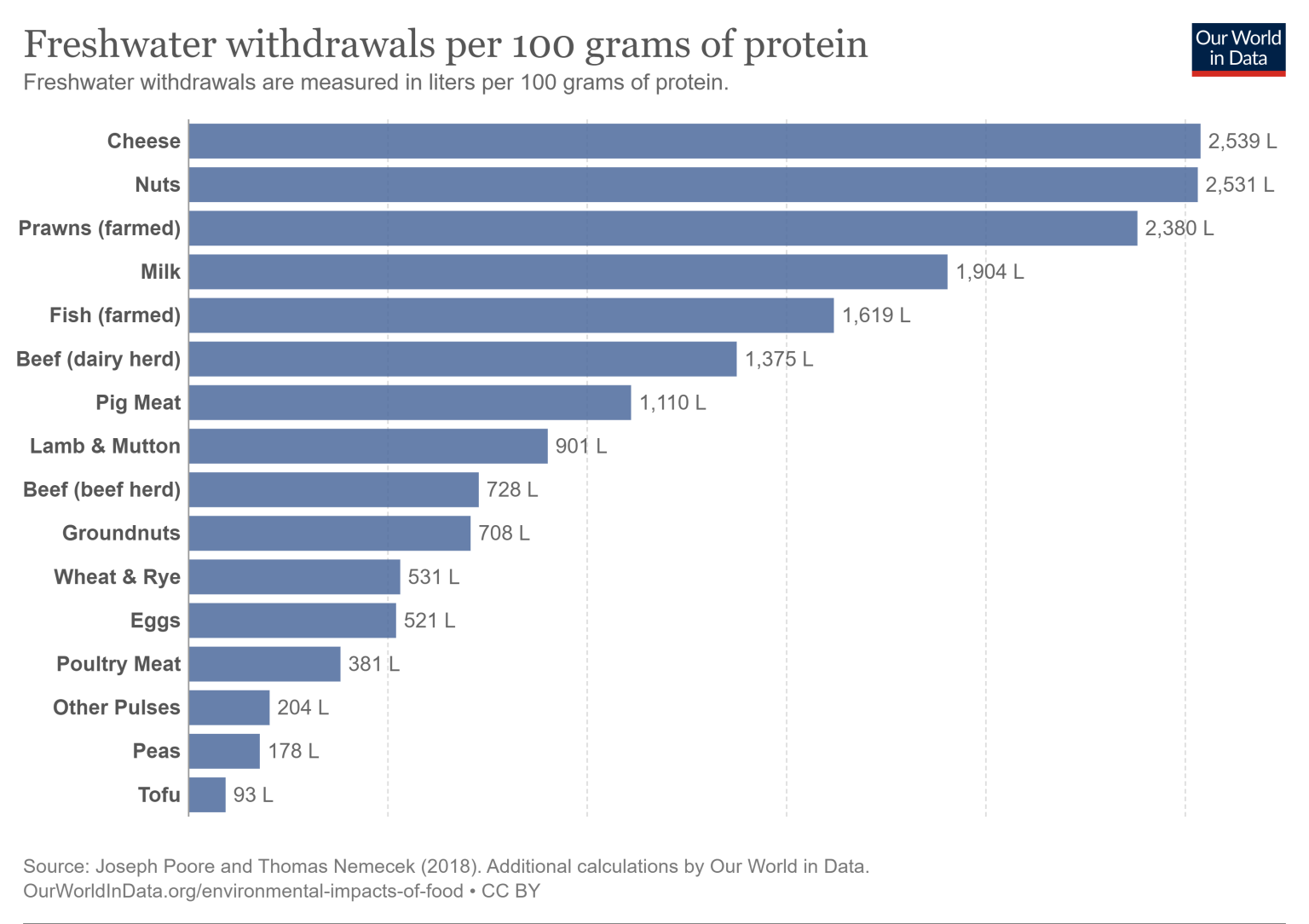
Beans require just a fraction of the resources that animal-based proteins do, specifically water. Here, you can see the striking difference in water usage of animal protein versus beans (“other pulses”). With draughts increasing and access to fresh water becoming more limited—it’s becoming more critical that this be examined.
Beans Restore Soil Health
Beans are natural soil regenerators, actually improving the soil they’re planted in. Through a symbiotic relationship with beneficial soil bacteria called rhizobium, beans pull nitrogen out of the atmosphere and return it to the soil in a form plants can actually use. This process reduces the need for synthetic nitrogen fertilizers, which are produced using fossil fuels and contribute to wastewater discharge and air pollution.
Put simply:
Nitrogen in the atmosphere = bad for the environment, a major contributing factor to climate change
Nitrogen in the soil = supports plant growth
By returning nitrogen to depleted soils, beans support the growth of future crops while also improving soil structure, increasing water retention, and reducing erosion.
And why is soil health so critical? Because healthy soil makes healthy crops, and healthy crops make healthy people.
Beans Reset Farmland
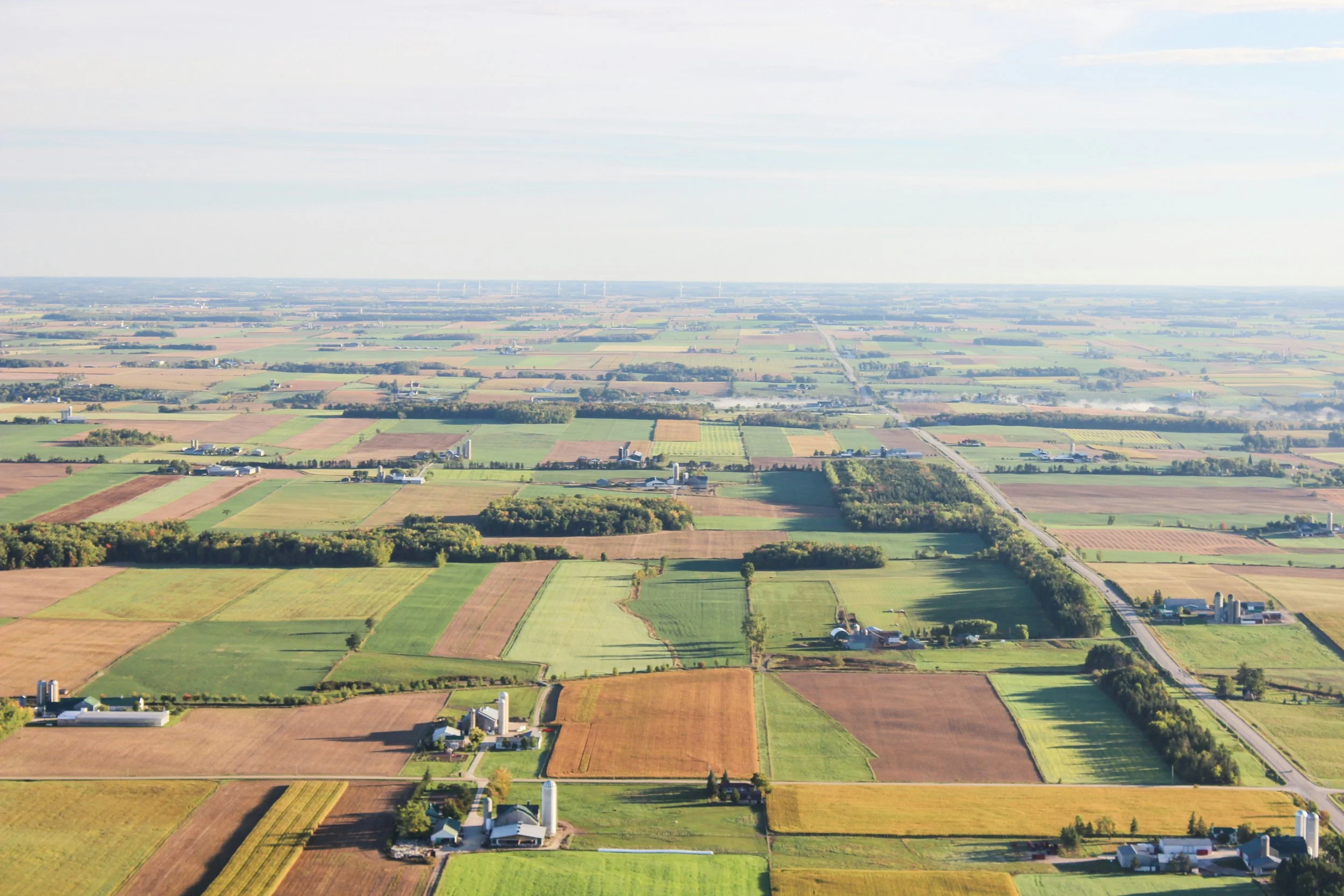
Modern farming practices often rely on monocropping, the practice of planting the same crops in fields year after year. While profitable for farmers in the short-term, planting the same crops depletes specific nutrients in the soil and creates the conditions for pest and disease build-up. To compensate, farmers rely heavily on synthetic nitrogen fertilizers to reintroduce these depleted nutrients.
Beans offer a powerful monocropping solution as a “break crop”. As they are naturally resistant to many common crop diseases and pests, they can disrupt pest and disease build-up that occurs with monocropping. Introducing beans into crop rotations replenishes soil nutrients and interrupts cycles of disease — reducing the need for synthetic fertilizers altogether.
Rather than depleting the land, beans help reset and restore it.
A Simple, Affordable, Accessible Solution
Beans are simple to grow, affordable for both farmers and consumers, and health-promoting for both our bodies and the planet. They’re among the most sustainable protein sources and require significantly less water, land, and fossil fuels than animal proteins — offering the potential to build a resilient, lasting food system.
The future is built from the simple, empowered choices we make every day. Every time you stir beans into a soup, add them to a salad, or dip a cracker into a bean dip, you’re choosing a future rooted in nourishment, sustainability, and care for all beings.